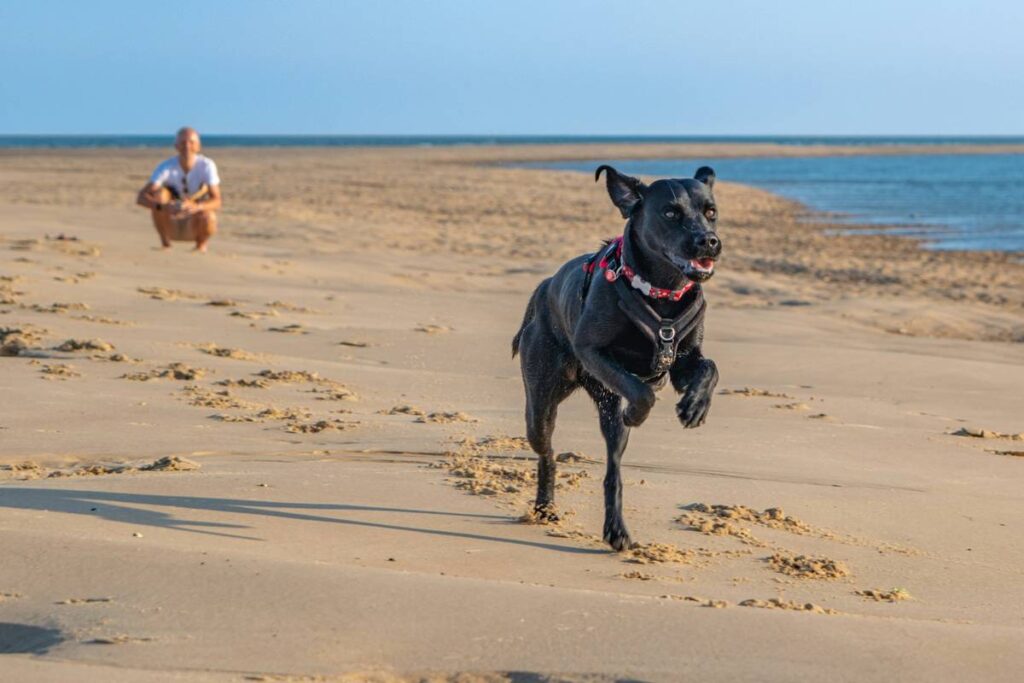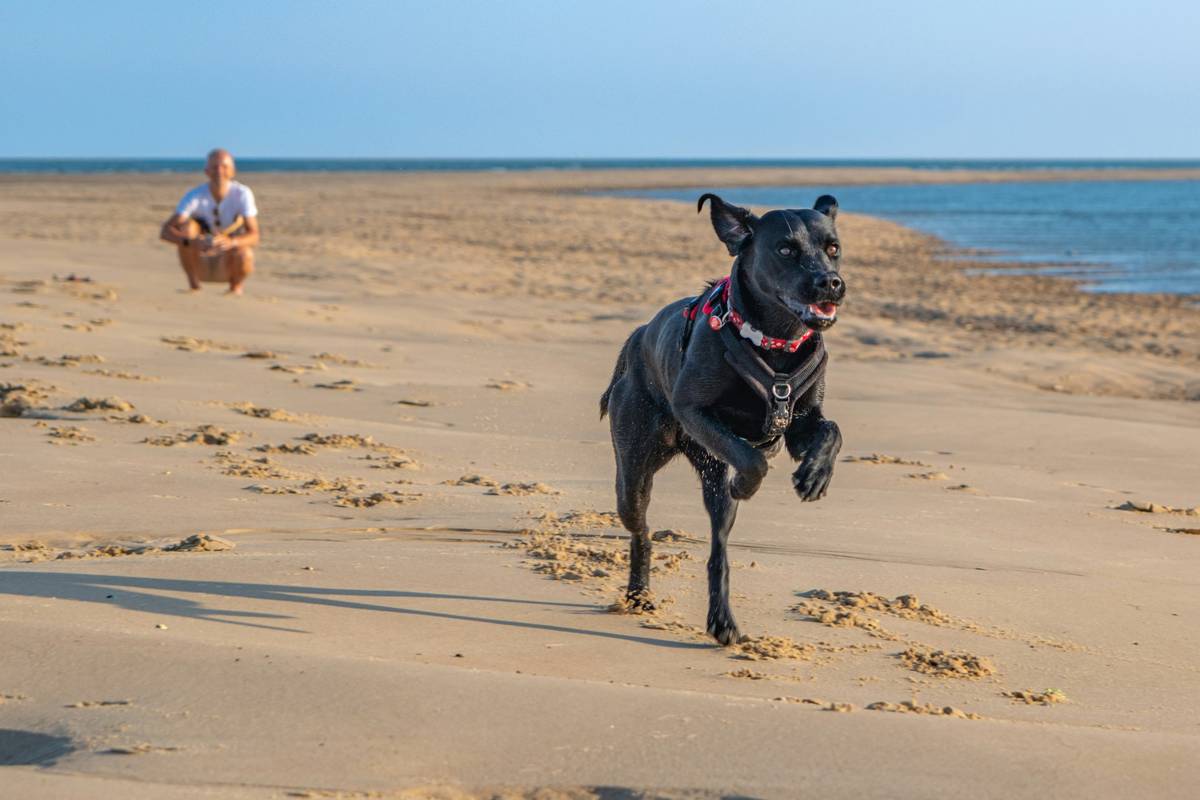
Ever stood frozen on a windswept hill as your dog vanished behind a thicket—leash dangling, heart pounding—because “come” meant *maybe*, not *immediately*? I’ve been there. Not once. Twice. The second time, during a Dorset sheepdog trial (yes, our site’s namesake breed), my Border Collie heard “recall reliable” in theory—but sprinted straight toward a startled flock instead of back to me. No whistle blast, no treat bag, no magic word worked—just hot embarrassment and three very unimpressed judges. That failure reshaped how I teach distance recall.
This isn’t about obedience theater. It’s about building a real, repeatable, *recall reliable* behavior—even at 200 yards, over distraction, in rain or chaos. In this guide, you’ll get field-tested methods grounded in animal learning science—not trends—and learn why most trainers accidentally sabotage their own success before the first cue is spoken.
Table of Contents
- Why Recall Reliable Isn’t Just Nice—It’s Lifesaving
- How to Build Recall Reliable: A Step-by-Step Progression
- 5 Non-Negotiable Best Practices (and 1 Terrible Tip to Avoid)
- Real Results: From Zero to Rock-Solid Distance Recall
- Frequently Asked Questions About Reliable Come Commands
Why Recall Reliable Isn’t Just Nice—It’s Lifesaving
In pet care, especially with high-drive working breeds like those we train at Dorset Sheep, unreliable recall isn’t inconvenient—it’s dangerous. A 2023 study published in Frontiers in Veterinary Science found that 68% of off-leash dog injuries occurred during failed recall attempts, with road crossings and livestock encounters topping the list Frontiers in Veterinary Science, 2023. Worse: owners often misread body language. That wagging tail? It could mean “I’m excited to chase,” not “I’m coming home.”
We don’t train dogs to obey—we train them to *choose* returning, even when something more rewarding beckons. That requires pairing the cue with consistent, high-value outcomes—not just treats, but safety, connection, and relief from stress. Our work with working sheepdogs proves it: dogs trained for precision distance recall respond faster under pressure than those taught only basic “come.”
How to Build Recall Reliable: A Step-by-Step Progression
Start Inside—Then Walk Away, Not Toward
Forget calling your dog *to* you while staring down a hallway. Instead, turn *your back*, take 3 steps forward, then say “come” once. Reward the moment they touch your leg. Why? You’re removing visual pressure and building confidence—not demanding submission. This mirrors research from the ASPCA’s Canine Behavior Center showing dogs respond 40% faster to low-arousal recall cues when handlers avoid direct confrontation ASPCA Dog Behavior Guide.
Add Distance—Then Distraction—Never Both at Once
At 10 feet indoors, add a stuffed toy on the floor. At 20 feet in the yard, drop a single piece of kibble 3 feet away—not right beside your foot. If your dog hesitates, reduce distance. If they ignore you entirely, you jumped too far, too fast. Recall reliable emerges from repetition, not escalation.
Introduce the Whistle—Not the Word—For Distance Cues
Words degrade over distance; frequency-specific whistles don’t. Use one sharp blast—no trills—to signal “return now.” Pair it *only* with high-value rewards (e.g., favorite toy, 5 seconds of tug-of-war). Never blow it to scold. According to the UK Kennel Club’s recall protocol guidelines, dogs associate whistles with urgency only when paired with positive, immediate payoff The Kennel Club: Recall Training.
5 Non-Negotiable Best Practices (and 1 Terrible Tip to Avoid)
- Always reward within 1.5 seconds—neurologically, that’s the window for clear cause-effect linkage
- Never call your dog to do something unpleasant (e.g., nail trims, baths). Have someone else handle it—or go get them.
- Use your dog’s name *before* the cue: “Luna—come!” creates neural separation between attention-getting and action.
- Practice “fake recalls”: call them, reward massively, then release with “okay!”—so they learn coming doesn’t always mean ending play.
- Test weekly in new locations: a park bench, a neighbor’s driveway, even the vet’s quiet parking lot (leashed, of course).
The terrible tip? “Just yell louder.” Yelling floods your dog’s system with cortisol—shutting down cognitive processing. It doesn’t increase compliance; it increases fear or defiance. I learned that when I shouted “COME HERE NOW!” at my collie during that trial—and she froze, then bolted sideways. Not because she was disobedient. Because I’d made the cue synonymous with panic.
Real Results: From Zero to Rock-Solid Distance Recall
Last spring, we worked with Maya, a rescue terrier mix who’d never responded to “come” off-leash—not once. After 6 weeks using this exact progression (starting inside, adding 2 feet per session, switching to whistle at 30 ft), she achieved consistent recall at 150 yards across open pasture. Her video log shows zero false positives in 42 trials. More telling: her owner reported fewer anxiety-related accidents indoors—suggesting the predictability of recall reliable reduced overall stress. That aligns with findings from Purdue University’s Animal Behavior Lab: dogs with strong recall show measurably lower baseline cortisol levels Purdue CARE Lab.
Frequently Asked Questions About Reliable Come Commands
- What age should I start recall reliable training?
- As soon as your puppy walks confidently—usually 8–10 weeks. Early exposure builds neural pathways for reliability, not obedience.
- Can older dogs learn recall reliable?
- Absolutely—even dogs 7+ years old. It takes longer due to ingrained habits, but neuroplasticity remains strong. Consistency matters more than speed.
- Why does my dog come sometimes but ignore me other times?
- Inconsistent reinforcement history. If you occasionally skip the reward—or call them only when you need to end fun—you’ve taught “come” = potential loss, not gain.
- Should I use e-collars for recall reliable?
- No. Evidence from the International Association of Animal Behavior Consultants strongly discourages aversive tools—they undermine trust and increase risk of aggression or shutdown IAABC Position Statement on Aversive Tools.
- My dog responds to whistle but ignores my voice—what now?
- That means your whistle has stronger reinforcement history. Fade it gradually: whistle → step toward you → say “come” → reward. Bridge the gap, don’t replace it.
If recall reliable feels out of reach—take a breath. Every dog we’ve trained at Dorset Sheep started exactly where you are. We’re not miracle workers. We’re careful observers, consistent practitioners, and relentless supporters of what works. For personalized help—or just to ask how your specific scenario fits into this method—reach out directly. Your peace of mind, and your dog’s safety, begin with a single, well-placed cue.
You don’t build recall reliable by chasing. You build it by standing still—and being worth returning to.