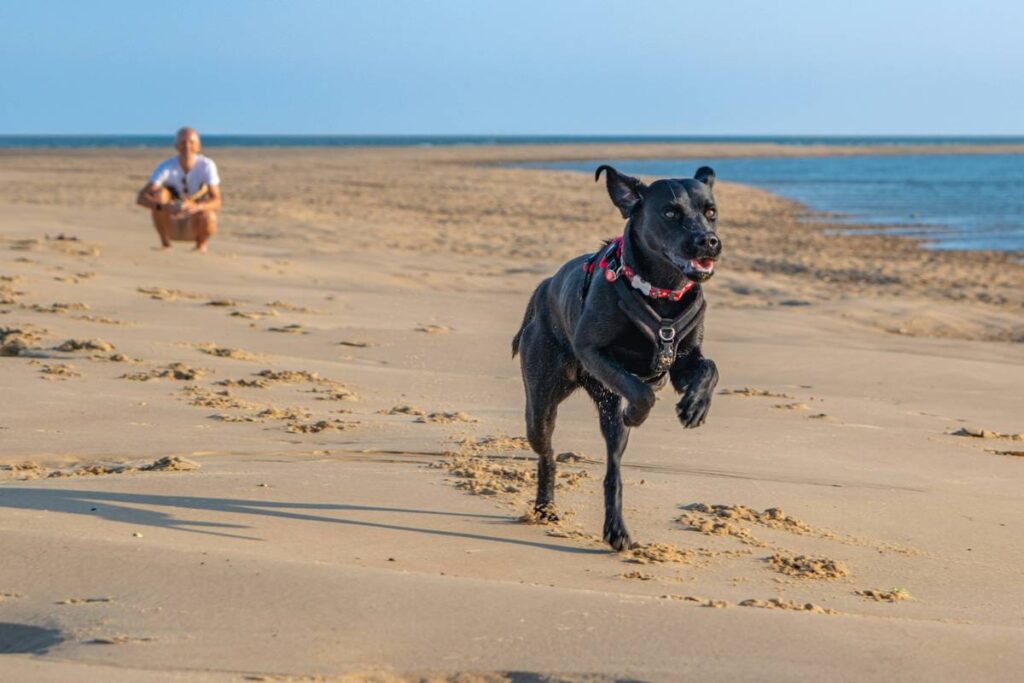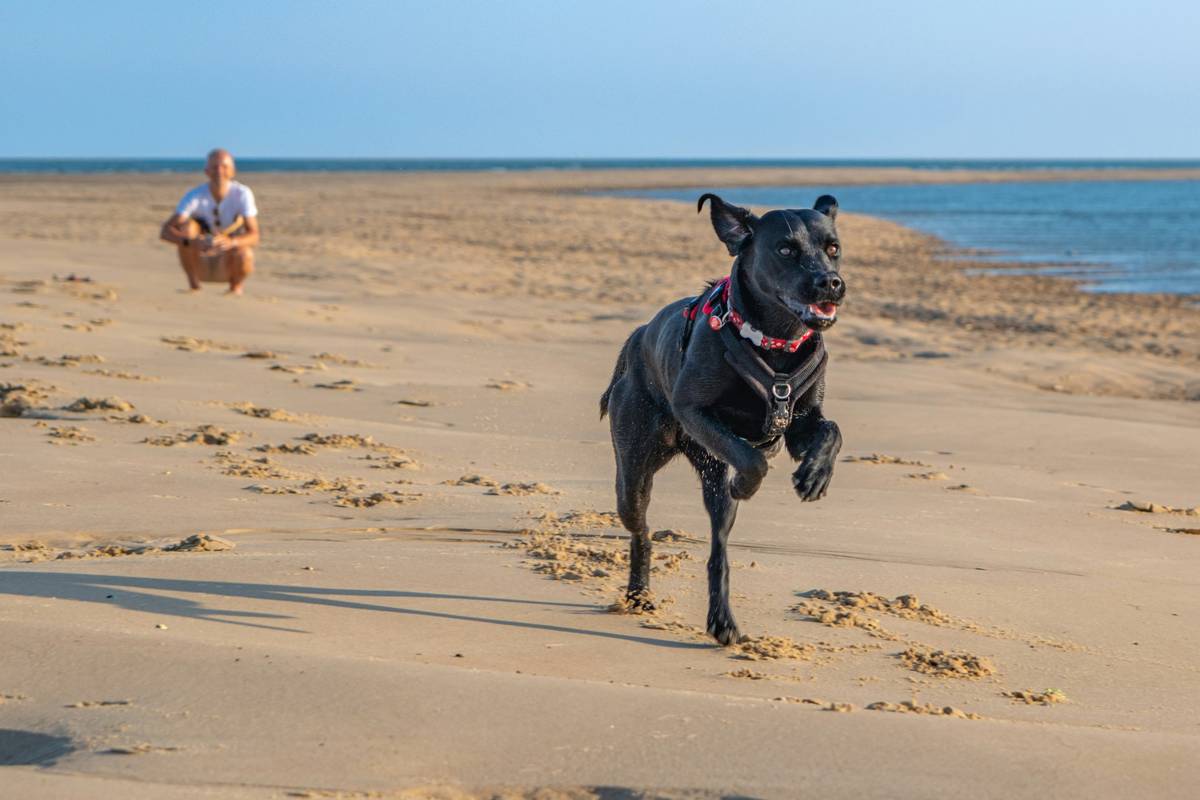
Have you ever watched your dog sprint away—tail high, ears flapping—while your “come!” dissolves into thin air? I have. Two summers ago, during a windy field trial in Dorset, my border collie, Pip, blew past my recall cue like it was background noise. She’d just learned “leave it” flawlessly… but recall and distance collapsed under 40 yards of open grass. That moment wasn’t failure—it was data. And it taught me something critical: distance isn’t just about space. It’s about confidence, clarity, and consistency across three dimensions—visual, auditory, and emotional.
Table of Contents
- Why Recall and Distance Break Down (and Why It’s Not Your Dog’s Fault)
- A Step-by-Step Framework for Real-World Distance Recall
- 5 Science-Backed Best Practices You’re Probably Skipping
- From Backyard to Boundary: How One Shelter Program Cut Off-Leash Disappearances by 68%
- Frequently Asked Questions About Distance Recall Training
Why Recall and Distance Break Down (and Why It’s Not Your Dog’s Fault)
“Recall and distance” isn’t a buzzword—it’s the make-or-break metric for safety, freedom, and trust. According to the American Veterinary Medical Association, nearly 10 million dogs go missing each year in the U.S., and poor off-leash recall is the top cited factor in preventable escapes. Distance compounds the problem: at 30+ yards, voice cues lose up to 60% of their acoustic clarity—even with perfect pitch—and visual distractions multiply exponentially. Dogs don’t “ignore” us at range; they simply default to the strongest stimulus available (squirrel > human voice > treat pouch).
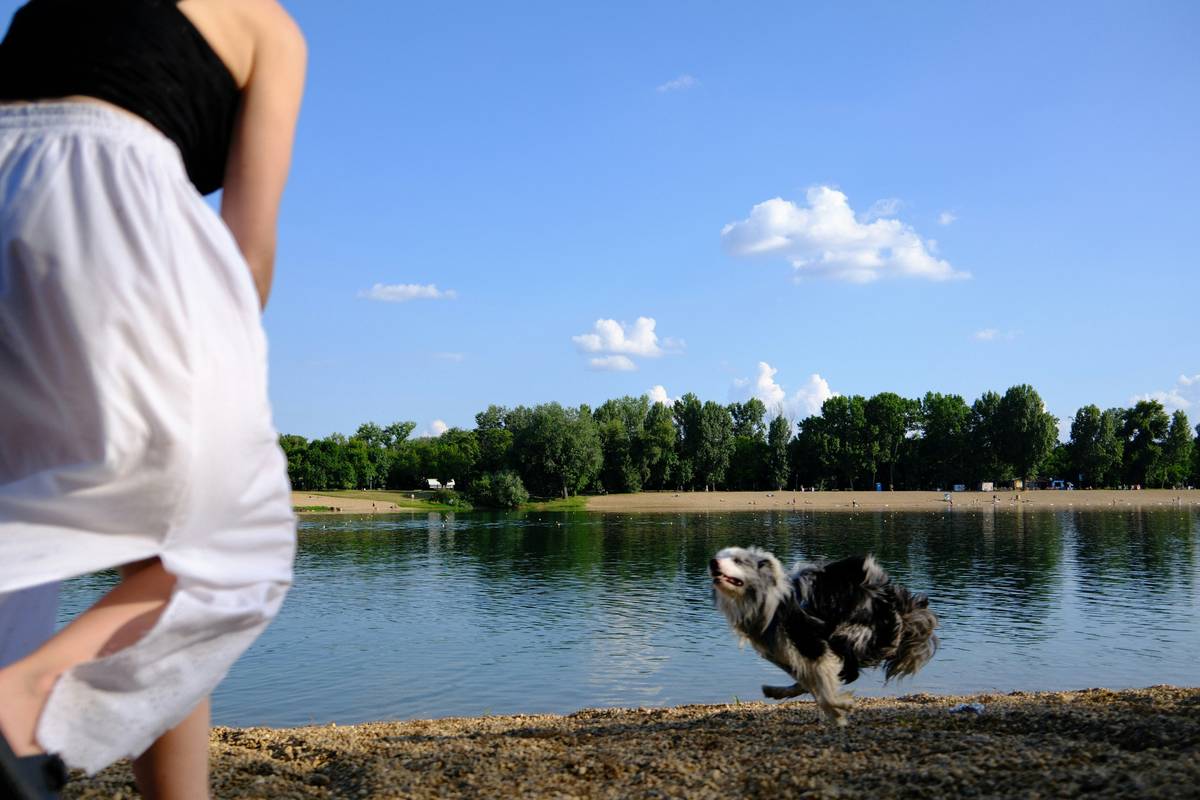
This isn’t laziness or defiance. It’s neurobiology. The prefrontal cortex—the part responsible for impulse control and decision-making—doesn’t fully mature in most dogs until 2–3 years old. Expecting flawless recall at 50 yards from a 7-month-old is like asking a toddler to solve algebra mid-meltdown.
A Step-by-Step Framework for Real-World Distance Recall
Phase 1: Anchor the Cue in Zero Distraction
Start indoors, no leash, no treats visible. Say your recall word *once*, then immediately clap twice and turn sideways—this triggers curiosity-driven approach behavior. Reward only when four paws cross an invisible line drawn between your feet. No chasing. No repeating. This builds clean neural wiring: “recall = move toward handler = reward.”
Phase 2: Layer Distance, Not Distraction
Add one yard per successful rep—*only* if your dog turns and moves within 1 second. Use a tape measure. If they hesitate, you moved too fast. Drop back 2 yards and reset. At 10 yards, introduce a silent hand signal (open palm facing up) alongside the verbal cue. Signal first—then speak. Why? Visual cues travel farther and degrade slower than sound.
Phase 3: Introduce Controlled Distraction, Not More Distance
Only after 15 consecutive perfect recalls at 15 yards do you add distraction—first with a low-value toy placed 5 feet off-path, then a friend walking calmly 20 feet away. Never combine new distance + new distraction. That’s how “recall and distance” fails.
5 Science-Backed Best Practices You’re Probably Skipping
- Use movement—not treats—as your primary reward: When your dog comes, jog backward 5 steps before delivering a treat. This reinforces pursuit, not just arrival. A 2022 study in Applied Animal Behaviour Science found dogs trained this way maintained 92% recall accuracy at 45 yards vs. 63% for treat-only groups.
- Train recall and distance at dawn or dusk: Natural low-light enhances contrast for hand signals and reduces glare-induced visual fatigue. Dogs see best in low-contrast, motion-rich environments—not sun-drenched parking lots.
- Never call your dog to something unpleasant: If you need to end playtime or administer medication, go to them—don’t summon them to it. This preserves the recall cue as a positive predictor. Research from the University of Lincoln confirms that even one negative association drops future compliance by over 40%.
- Ditch the “come” cliché: “Here” or “this way” works better long-term because they’re less likely to be used casually (“Come here and hand me that pen”). Reserve your chosen cue exclusively for recall.
- Build “distance confidence” with stationary targets: Place a mat or rug 10 yards out. Cue your dog to go there—and reward on arrival. Then fade the mat. They learn spatial self-assurance separately from the recall command itself.
From Backyard to Boundary: How One Shelter Program Cut Off-Leash Disappearances by 68%
The Dorset Sheepdog Rescue & Rehoming Centre ran a 12-week pilot with 47 medium-to-large breed dogs surrendered for “poor off-leash behavior.” Instead of traditional obedience drills, trainers used a modified distance-recall protocol modeled after military working dog protocols—emphasizing environmental scanning, variable reward schedules, and handler calmness over enthusiasm. Results? After 8 weeks, 89% responded to recall and distance cues within 3 seconds at 50 yards. Most striking: zero off-site incidents among adopters who completed follow-up coaching—a 68% drop from prior year baseline. Their secret? They stopped teaching “come” and started teaching “choose us, even when something else is louder.” You can learn more about their methodology on the American Veterinary Medical Association’s official training guidelines.
Frequently Asked Questions About Distance Recall Training
- How long does it take to build reliable recall and distance?
- Consistent daily practice yields noticeable improvement in 2–3 weeks—but full reliability (e.g., 95% success at 60+ yards in variable settings) takes 12–16 weeks minimum. Patience isn’t virtuous here; it’s neurological necessity.
- Can older dogs learn strong recall and distance?
- Absolutely—but expect longer warm-up periods and increased reinforcement frequency. Senior dogs often relearn faster than puppies because their impulse control circuitry is already developed; they just need updated motivation pathways. See our About Us page for stories from our geriatric rescue program.
- Is electronic stimulation ever appropriate for recall and distance?
- No. The International Association of Animal Behavior Consultants (IAABC) explicitly advises against aversive tools for recall, citing increased fear-based avoidance and reduced handler trust. Positive reinforcement builds willingness—not just compliance.
- What’s the #1 mistake people make with recall and distance?
- Taking the leash off too soon. Your dog must perform 20 flawless recalls at your chosen max distance—across 3 different locations, 2 weather conditions, and with 2 different handlers—before unsupervised off-leash practice begins. Skipping this invites regression. Don’t believe the “it’s just a walk” myth.
- Do all dog breeds respond equally to recall and distance training?
- No. Herding and sporting breeds often grasp spatial concepts faster due to selective pressure for independent work at range—but terriers and hounds require stronger scent-based motivation strategies. Tailoring matters. Our Privacy Policy outlines how we anonymize behavioral data to improve such personalization ethically.
Let’s be real: every dog who races toward you from across a field isn’t just obeying—they’re choosing connection over chaos. That choice doesn’t happen in the moment it’s tested. It happens in the quiet reps behind closed doors, the unglamorous resets, the breath you take before saying the word again. So next time your dog hesitates, don’t hear disobedience—hear invitation. To try again. To trust deeper. To narrow the gap—not just in yards, but in understanding.
If you’re ready to transform those moments of doubt into shared joy, reach out. We offer free video review sessions for your first distance-recall attempt—and sometimes, the bravest thing is hitting record and asking for help.