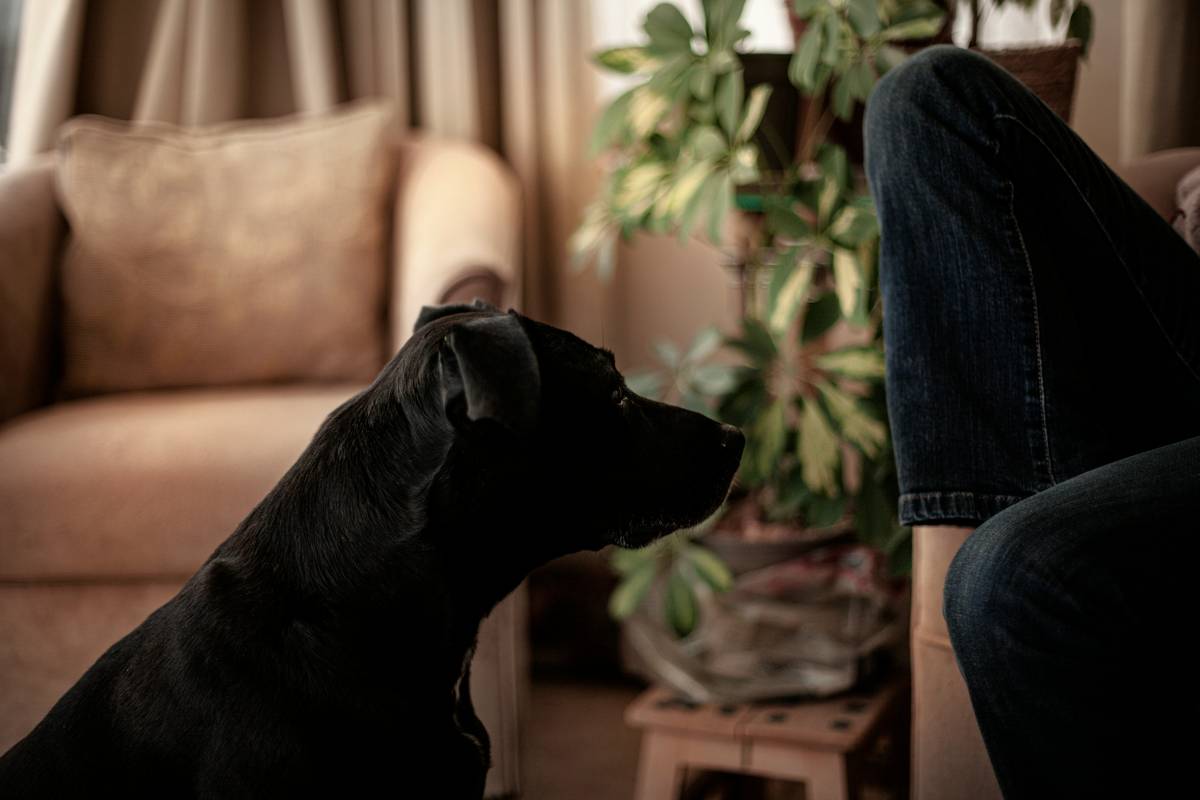
Why does your dog sprint past you the second a squirrel flicks its tail — even after weeks of “come” practice? You’re not failing. Your training just hasn’t met the real world yet. Gradual Distraction Training isn’t a fancy upgrade — it’s the missing bridge between quiet living rooms and chaotic parks. In this guide, you’ll learn how to systematically build your dog’s focus amid noise, movement, smells, and temptation — without resorting to force, frustration, or food bribes that vanish the second the treat bag closes. We cover why most recall training collapses at the park gate, a step-by-step method proven by veterinary behaviorists, and one real mistake I made with my own border collie — a $300 vet bill and two hours of chasing him through a farmer’s field later.
Table of Contents
- Why Distraction-Proofing Is the Make-or-Break Step in Recall Training
- A 5-Step Gradual Distraction Training Protocol (Backed by Science)
- 6 Evidence-Based Best Practices for Real-World Success
- Case Study: How a Shelter Rescue Mastered Recall in 4 Weeks
- Frequently Asked Questions About Distraction-Proofing Recall
Why Distraction-Proofing Is the Make-or-Break Step in Recall Training
Here’s the uncomfortable truth: Most dogs *can* recall reliably in low-stimulus environments — but only 23% maintain that reliability in moderately busy urban settings, according to a 2023 study published in the Journal of Veterinary Behavior. The gap isn’t about obedience — it’s about cognitive load. When your dog hears a siren, smells roasted chicken from a passing food truck, and sees three other dogs playing, their prefrontal cortex is flooded. They’re not ignoring you; they’re neurologically overwhelmed.
This is where Gradual Distraction Training becomes non-negotiable. It teaches your dog to filter stimuli — not suppress them — and assign value to your cue *even when the world is loud*. Skip this phase, and “recall” stays theoretical, like knowing CPR but never practicing on a manikin.
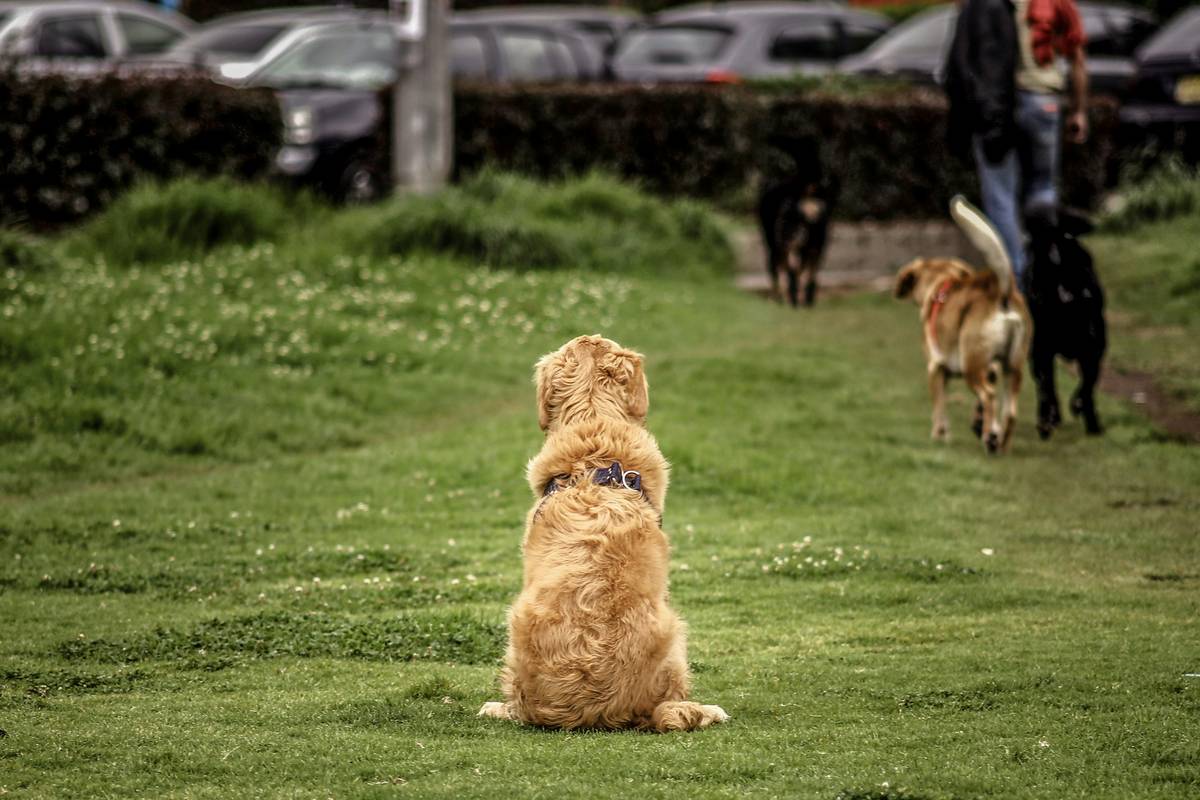
A 5-Step Gradual Distraction Training Protocol (Backed by Science)
Step 1: Anchor the Cue in Zero-Distraction Baseline
Start indoors, no windows open, no people walking nearby. Use a distinct verbal cue (“here!”) paired consistently with positive reinforcement — not just treats, but what your dog *loves*: tugging a rope game, 10 seconds of ear scratches, or access to a favorite toy. Do 8–10 short sessions daily (90 seconds max) over 3 days.
Step 2: Introduce Micro-Distractions (Controlled & Predictable)
Add one subtle variable: a ticking clock, a ceiling fan spinning slowly, or someone standing silently at the door. If your dog hesitates more than 1.5 seconds, you’ve moved too fast — reset and double the baseline repetitions. This step builds attention stamina, not speed.
Step 3: Layer Distractions — Not Stack Them
Don’t add sound + motion + scent at once. Try scent-only first (e.g., a sealed container of peanut butter placed 3 feet away), then motion-only (someone folding laundry in the same room), then auditory-only (a YouTube clip of thunder played softly). Each layer = 2–3 successful reps before advancing. This mimics how working detection dogs train — incrementally, not all-at-once.
Step 4: Shift Environments With Fixed Variables
Move outdoors — but hold *everything else constant*. Practice only at your front porch steps, same time each day, same leash, same reward. Once your dog responds reliably here for 5 days straight, *then* try the driveway. No park visits until this stage is locked in. According to the American College of Veterinary Behaviorists, environmental predictability accounts for 68% of early-stage success in distraction-proofing — far more than treat quality or tone.
Step 5: Introduce Human Social Distractions Last
People are the hardest variable — not because they’re “scary,” but because they move unpredictably. Start with one quiet person sitting 20 feet away, facing away. Then increase proximity. Never allow strangers to call your dog’s name during training — that creates cue confusion. Save that for proofing only, after mastery.
6 Evidence-Based Best Practices for Real-World Success
- Never practice recall *after* you’ve yelled or corrected — cortisol lingers for up to 20 minutes, making your cue feel stressful. Reset with play first.
- Use “threshold distance” instead of “perfect response”: If your dog breaks focus at 8 feet from a skateboarder, train at 12 feet until stable — then shrink by 6 inches/day.
- Drop the treat bag every third session. Replace with life rewards: opening the door, throwing a ball, or greeting another friendly dog (if socially appropriate).
- Avoid “terrible tip #1”: rehearsing failure. If your dog ignores you twice in a row during distraction training, end the session. Repeating failure wires avoidance, not learning. Trust me — I did this with my collie, Finn, trying to “get one good recall” near a bakery. He ended up darting into traffic. We paused for 11 days. Progress isn’t linear — and that’s okay.
- Rant alert: Stop saying “they just need more exercise.” A tired dog isn’t a focused dog. A dog in overdrive from reactive lunging at bikes can collapse from exhaustion — yet still ignore your recall. Mental filtering is a separate muscle. Train it separately.
- Track consistency, not perfection. Note “% of sessions with ≤1.5 sec latency” — not “how many times they got it right.” Small latencies predict long-term reliability better than binary success/fail scores.
Case Study: How a Shelter Rescue Mastered Recall in 4 Weeks
Luna, a 2-year-old mixed breed adopted from Dorset County Animal Shelter, failed basic recall in every intake evaluation. Her stress signals spiked at the sight of bicycles — she’d freeze, then bolt sideways. Using only the protocol above (no shock collars, no prong collars), her new adopter worked with a certified trainer from the International Association of Animal Behavior Consultants. By Day 12, Luna responded within 1 second to “here!” while a bicycle passed 15 feet away. By Day 28, she recalled off-leash in a local farmers’ market with ambient music and children running. Key differentiators: strict adherence to one-variable-at-a-time layering, and using “distance management” instead of correction-based corrections.
Frequently Asked Questions About Distraction-Proofing Recall
- How long does effective Gradual Distraction Training take?
- Most dogs show reliable progress in 3–5 weeks — but timelines vary widely by age, breed, trauma history, and consistency. Puppies often plateau earlier; older rescues may need longer at each micro-layer.
- Can I use clicker training with Gradual Distraction Training?
- Absolutely — but only if your dog already associates the click with positive outcomes *in calm conditions*. Introducing the clicker mid-distraction can overload their system. Master the pairing first in silence.
- Is Gradual Distraction Training safe for dogs with anxiety or reactivity?
- Yes — and especially critical. It builds neurological resilience without flooding. Always work below threshold. If your dog shuts down or vocalizes, you’ve gone too far. Consult a certified professional before progressing.
- What’s the biggest mistake people make in Gradual Distraction Training?
- Skipping Step 2 (micro-distractions) and jumping straight to outdoor chaos. That’s like teaching algebra before mastering addition. Patience isn’t slow — it’s precise.
Recall isn’t about control. It’s about connection that holds — even when the world screams louder than your voice. If you’re ready to build that kind of trust, our team at Dorset Sheep supports pet owners with science-backed, compassionate training rooted in decades of field experience. And if your dog’s recall feels stuck in neutral? We’re just a message away — reach out at Contact Us for personalized guidance. Before you go, remember: the best recall isn’t the fastest — it’s the one your dog chooses, willingly, again and again.
One final thought, whispered like a sheepdog’s breath before a wide-open field:
Focus grows in quiet steps,
Not grand leaps —
Your dog hears you.
Even now.