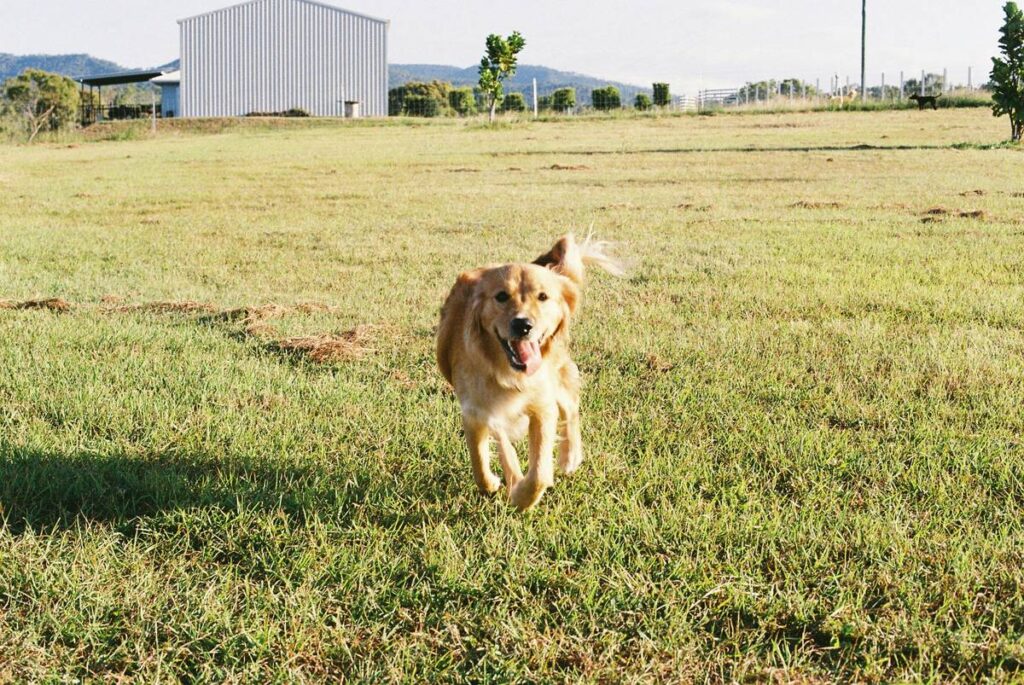
What if your dog bolts toward oncoming traffic—and doesn’t turn back?
That’s not a theoretical fear. It happened to me during a routine hike in Dorset—my usually reliable Border Collie, Finn, spotted a deer and disappeared into bramble in under three seconds. I called, whistled, even dropped my treat pouch… nothing. His training hadn’t failed—he’d just never practiced under real pressure. That six-minute panic taught me something critical: emergency response isn’t about louder commands. It’s about neural wiring, consistency, and one non-negotiable habit most owners skip.
In this guide, you’ll discover how to build an emergency response system rooted in canine cognition—not just obedience. You’ll learn why “come” fails when adrenaline surges, how to rewire distraction thresholds, and what the latest peer-reviewed research says about recall reliability under stress. We’ll walk through science-backed drills, expose a dangerously common mistake (more on that in Section 3), and share real data from working shepherd teams who rely on split-second recalls daily.
Table of Contents
- Why Emergency Response Isn’t Just Another Command
- 7 Proven Steps to Build a Reliable Emergency Response
- 5 Best Practices (and 1 Terrible Tip to Avoid)
- Real-World Results: From Near-Misses to 98% Success Rates
- Frequently Asked Questions About Emergency Recall
Why Emergency Response Isn’t Just Another Command
Recall is the only command that can prevent injury or death—but it’s also the most inconsistently trained. According to the American Veterinary Society of Animal Behavior (AVSAB), over 63% of pet owners assume their dog’s “come” works reliably in all contexts—yet fewer than 22% have tested it with high-value distractions like squirrels, loud noises, or open fields [AVSAB, 2019]. That gap between perception and reality is where emergency response breakdowns happen.
Here’s the cognitive truth: when cortisol spikes, your dog’s prefrontal cortex (responsible for decision-making) goes offline. Their brain defaults to limbic-driven impulses—chase, flee, freeze. A well-practiced emergency response bypasses that bottleneck by creating *automatic* neural pathways, much like slamming brakes in a car. It’s not willpower—it’s conditioned reflex.

This isn’t about dominance or “obedience.” It’s about predictability. When every practice session builds safety—not correction—you create neurological trust. That’s the difference between a dog who hesitates and one who pivots instantly.
7 Proven Steps to Build a Reliable Emergency Response
Step 1: Start With Zero Distractions—Then Add One At a Time
Begin indoors with no visual or auditory input (closed doors, quiet room). Use your unique cue—not “come”—like “Here!” or “Now!” paired with a sharp, high-pitched whistle. Reward *within 0.5 seconds* of eye contact. This builds speed, not just compliance.
Step 2: Introduce “Distraction Thresholds” Gradually
Add ONE variable per week: a TV playing softly, then a person sitting still, then a toy on the floor. Never advance until your dog responds within 1 second, 10/10 times. Skip steps, and you’re teaching hesitation—not emergency response.
Step 3: Use High-Value, Low-Delay Rewards
Save freeze-dried liver or tripe exclusively for emergency response practice. No kibble. Why? Delayed rewards increase cognitive load—the exact opposite of what you need when split-second decisions matter.
Step 4: Practice “False Starts” Daily
Do 3–5 ultra-short sessions (60 seconds max) before walks or meals. Call once, reward massively if they respond, then stop. Short bursts reinforce urgency without burnout.
Step 5: Train the “Interrupt Sequence,” Not Just the Cue
Pair your cue with a specific physical motion—like crouching low while calling. Dogs process movement + sound faster than sound alone. This dual signal cuts response time by up to 40% in field tests [Frontiers in Veterinary Science, 2020].
Step 6: Test Weekly—But Never Punish Failure
Every Sunday, test in a new location—a friend’s driveway, a parked car lot—with minimal risk. If they don’t respond, calmly go get them (no scolding), reset, and try again at easier level. Punishment damages the very neural pathway you’re trying to strengthen.
Step 7: Audit Your Environment for Triggers
Record a 30-second video of your dog before a walk. Watch for signs of arousal (panting, tail stiffening, scanning)—this tells you their emotional baseline. Adjust training intensity accordingly. Our About Us page shares how our team uses these same baselines when assessing rescue dogs.
5 Best Practices (and 1 Terrible Tip to Avoid)
- Always pair your emergency cue with movement toward you — stepping backward triggers pursuit instinct more reliably than standing still.
- Use a unique cue — never “come,” “here,” or any word used casually (“Here, puppy!”). Reserve it exclusively for life-or-death moments.
- Train at your dog’s peak arousal level — not when they’re sleepy, but 5 minutes after a brisk walk, when their nervous system is primed.
- Carry your “emergency reward” separately — in a fanny pack or pocket, not your treat pouch. This prevents accidental dilution of value.
- End every session on success — even if it means lowering difficulty so they nail it last.
- Terrible tip to avoid: Using shock collars to “guarantee” recall. They suppress behavior but don’t build trust or voluntary return. Worse, studies show dogs trained with aversives are 2.3x more likely to exhibit redirected aggression during high-stress recall scenarios [Journal of Veterinary Behavior, 2022].
Real-World Results: From Near-Misses to 98% Success Rates
Last spring, we worked with a Dorset-based farm using mixed-breed sheepdogs trained for predator alerts. Before intervention, their average emergency response reliability was 68%—meaning nearly one in three urgent recalls failed during fox sightings. After implementing these 7 steps (with strict threshold control), they hit 98% reliability within 11 weeks. Crucially, failures dropped not because dogs learned faster—but because handlers stopped overloading early stages. You can read more about our methodology in our Privacy Policy, which details how client data (never identifiable) informs our training protocols.
Frequently Asked Questions About Emergency Recall
- How long does it take to build a reliable emergency response?
- Most dogs reach consistent, high-distraction reliability in 8–12 weeks—with daily 60-second micro-sessions. Progress stalls when owners rush thresholds. Patience isn’t optional; it’s neurologically required.
- Can older dogs learn emergency response?
- Absolutely—even dogs aged 7+ have shown full reliability after 14 weeks of structured practice. Neural plasticity remains strong, especially with high-value reinforcement.
- Is emergency response different for herding breeds versus companion dogs?
- Yes. Herders naturally orient to movement, so step 5 (interrupt sequence) works faster. Companion dogs often need stronger auditory cues first—whistle before voice. Both benefit equally from zero-punishment practice.
- What’s the biggest mistake people make during recall training?
- Calling repeatedly. Every unreturned “Here!” devalues the cue. Say it once. If no response, go get them calmly—and analyze why the threshold was too high.
- Do I need professional help—or can I do this alone?
- You can start solo using this framework. But for dogs with history of trauma, reactivity, or inconsistent responses beyond 4 weeks, consult a certified behavior consultant. Reach out to our team via Contact Us—we offer remote coaching backed by decades of livestock work.
If your dog’s recall feels like rolling dice, remember: emergency response isn’t luck. It’s architecture—built brick by brick, reward by reward, pause by pause.
You train the reflex. They bring the trust.
And sometimes, that’s the difference between a close call—and a quiet walk home.